

Simple Steps to Spot Damage Early and Stop It From Getting Worse
Cracks in brick masonry can often be spotted early and slowed down with basic care. Small cracks may come from normal settling, while wider cracks can point to water damage or foundation movement. The key is to check your walls often, fix small issues fast, and address water problems before they spread. When caught early, most brick damage is easier and less costly to repair.
Why Prevention Matters
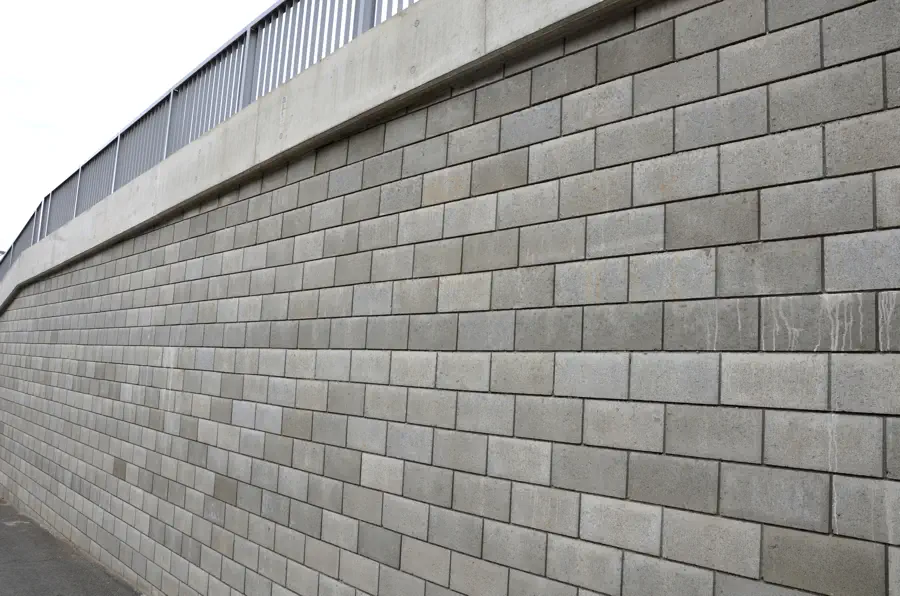
Brick masonry is strong, but it is not immune to movement and weather. Over time, soil shifts, rain soaks into mortar, and temperature changes cause expansion and shrinkage. These forces create stress. When that stress builds up, cracks appear.
Small cracks may not seem serious at first. But if left alone, they can widen. Water can seep in. In cold weather, that water can freeze and expand, causing more damage. Prevention helps protect both the look and strength of your walls.
Early Warning Signs
Knowing what to look for makes a big difference. Not all cracks mean the same thing. Here are some early signs that your brick masonry may need attention:
- Thin vertical cracks in mortar joints
- Stair-step cracks along the bricks
- Gaps forming around windows or doors
- Bulging or leaning sections of wall
- Loose or crumbling mortar
- White powder on bricks, called efflorescence
Hairline cracks are common as buildings settle. Wider cracks, especially stair-step patterns, may signal foundation movement. If doors and windows stick near cracked areas, that is another warning sign.
Seasonal or Routine Checklist
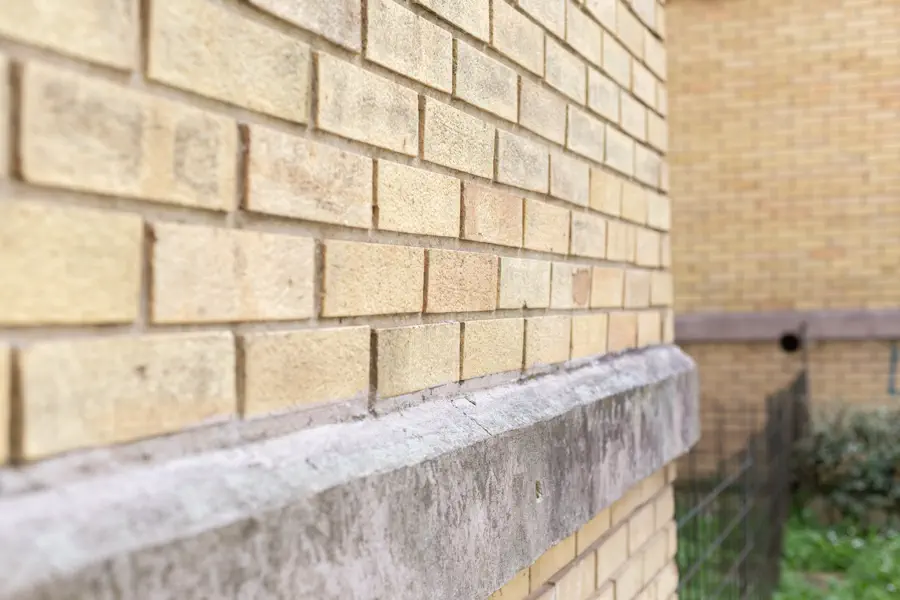
Routine checks help you catch problems before they grow. Walk around your home at least twice a year. Spring and fall are good times to inspect.
- Look closely at exterior walls for new or wider cracks.
- Check mortar joints for crumbling or missing pieces.
- Inspect around windows, doors, and vents.
- Clean out gutters and downspouts.
- Make sure water drains away from the foundation.
- Trim plants and vines away from brick surfaces.
Water control is one of the most important steps. When water pools near your foundation, it increases soil movement. That movement can stress brick masonry and lead to cracking.
Best Practices for Long-Term Results
Taking care of brick masonry does not have to be hard. Simple habits go a long way.
Keep drainage systems clear. Extend downspouts at least a few feet from your home. Grade soil so it slopes away from the foundation. These steps reduce moisture around the base of your walls.
Repoint damaged mortar early. Repointing means removing loose mortar and replacing it with fresh material. This helps seal joints and restore strength. It also keeps water from getting behind the bricks.
If your property includes other , such as stone or concrete features, inspect them too. Problems in one area can affect nearby brick surfaces if water flows between materials.
Sealing small cracks with masonry caulk can help in some cases. This works best for non-structural cracks. Large or growing cracks may need more advanced repairs.
What Not to Do
Some quick fixes can make things worse. Avoid painting over cracks without fixing them. Paint may hide damage but does not stop movement.
Do not ignore drainage issues. Adding more sealant will not fix shifting soil. Also, avoid using the wrong mortar mix. Mortar that is too hard can trap moisture and cause bricks to crack.
Never chip away bricks without knowing the cause of the crack. Removing material without a plan can weaken the wall further.
When to Schedule Professional Help
Call a professional if you notice cracks wider than a quarter inch, walls that bow outward, or gaps that keep growing. These signs may point to structural concerns.
You should also seek help if cracks return after patching or if water leaks inside your home. A trained brick masonry team can check the foundation, mortar condition, and wall alignment to find the true cause.
Early repair often prevents larger restoration projects later. A proper inspection gives you clear answers and a solid plan.
Protect Your Home With the Right Support
If you are seeing cracks in your brick masonry in Lexington, KY, it may be time for a closer look. At RY Masonry, we inspect walls carefully and explain what is happening in plain language. We provide practical repair options that fit your situation and help prevent future damage. Call us at (859) 212-6614 to schedule an evaluation and let us help protect your home for years to come.