

How Removing and Replacing Old Mortar Helps Brick Walls Last Longer
The process of repointing brick for longevity and strength means removing old, damaged mortar and replacing it with new mortar. This seals gaps, keeps water out, and restores stability to the wall. When mortar joints wear down, bricks can loosen and crack. Repointing fixes this issue and helps extend the life of your masonry.
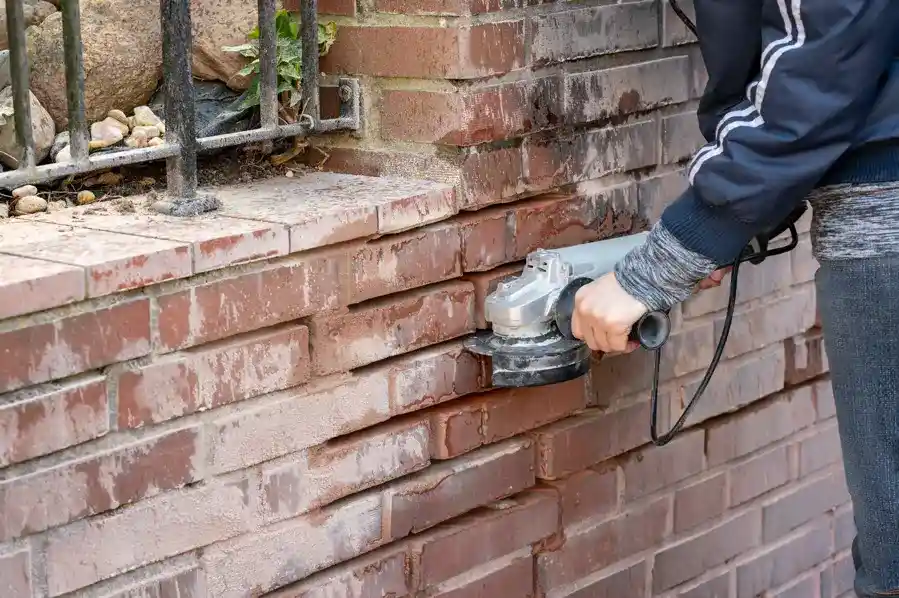
What You Need Before Starting
Before starting any brick repair, you need the right tools and materials. Using the wrong mix or tools can cause more harm than good.
- Hammer and chisel or mortar rake
- Stiff brush
- Mortar mix that matches the original
- Trowel and pointing tool
- Bucket and water
- Safety glasses and gloves
It is also important to check the condition of the bricks. If bricks are cracked or crumbling, they may need replacement as part of the repair.
Step-by-Step Process
Repointing follows a clear set of steps. Taking your time with each one helps the wall stay strong for years.
- Inspect the wall and mark damaged joints.
- Remove old mortar to a depth of about 3/4 inch.
- Brush out dust and dampen the joints lightly.
- Mix mortar to the correct consistency.
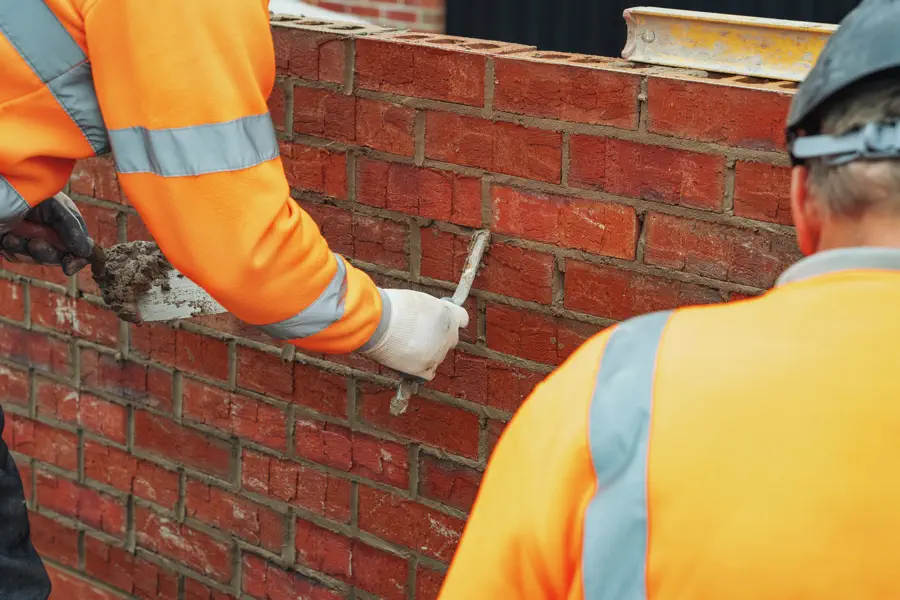
- Press new mortar firmly into the joints.
- Smooth and shape the joints to match the original style.
- Allow mortar to cure slowly and keep it slightly damp.
Dampening the joints before adding new mortar helps it bond better. Letting the mortar cure slowly reduces cracks. Good brick repair work blends in with the rest of the wall.
Common Mistakes to Avoid
Many issues happen when shortcuts are taken. Avoid these common problems:
- Using mortar that is too hard for older brick
- Not removing enough old mortar
- Skipping the cleaning step
- Letting mortar dry too fast in hot weather
- Smearing mortar across brick faces
Older homes often used softer mortar. If you use a modern hard mix, it can cause bricks to crack under stress. Matching the original mortar type is a key part of strong masonry work.
When to Call a Professional
Small areas of mortar damage may be manageable for a skilled homeowner. Large sections, tall walls, or structural cracks are different. If bricks are shifting or walls are bowing, professional brick repair is the safer choice.
Chimneys are another example. They face heavy weather exposure and can become unsafe if mortar joints fail. In those cases, hiring a trained crew helps protect both the home and the people inside.
If your property is part of a historic area, matching materials and joint style is even more important. A team experienced in masonry can match color, texture, and finish so the repair looks natural.
Final Thoughts on Protecting Your Brickwork
Repointing is one of the best ways to protect brick from water damage and decay. When mortar joints are solid, the wall can handle wind, rain, and temperature swings. Regular checks make it easier to catch small problems early.
If you notice crumbling joints or gaps forming in your walls in Lexington, KY, it may be time for professional help. At RY Masonry, we handle detailed brick repair that helps restore strength and appearance. Our team takes the time to match your existing masonry and apply the right methods. Call us at (859) 212-6614 to schedule an inspection or talk about your project. We are here to help you protect your investment for years to come.